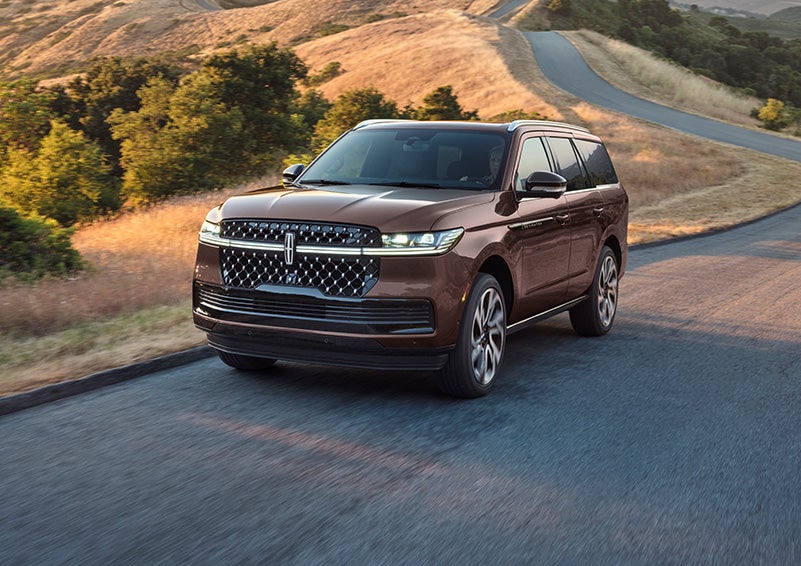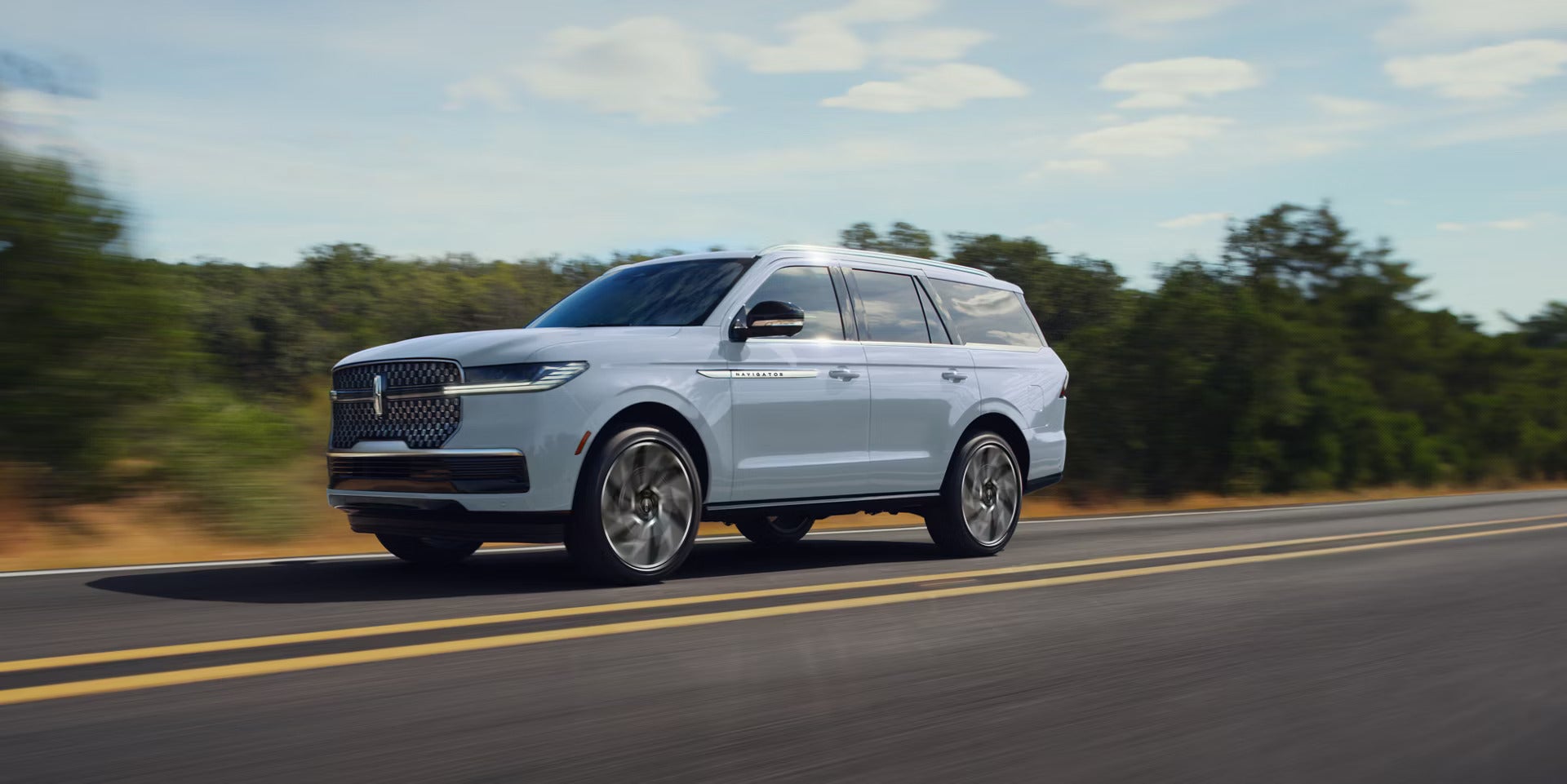


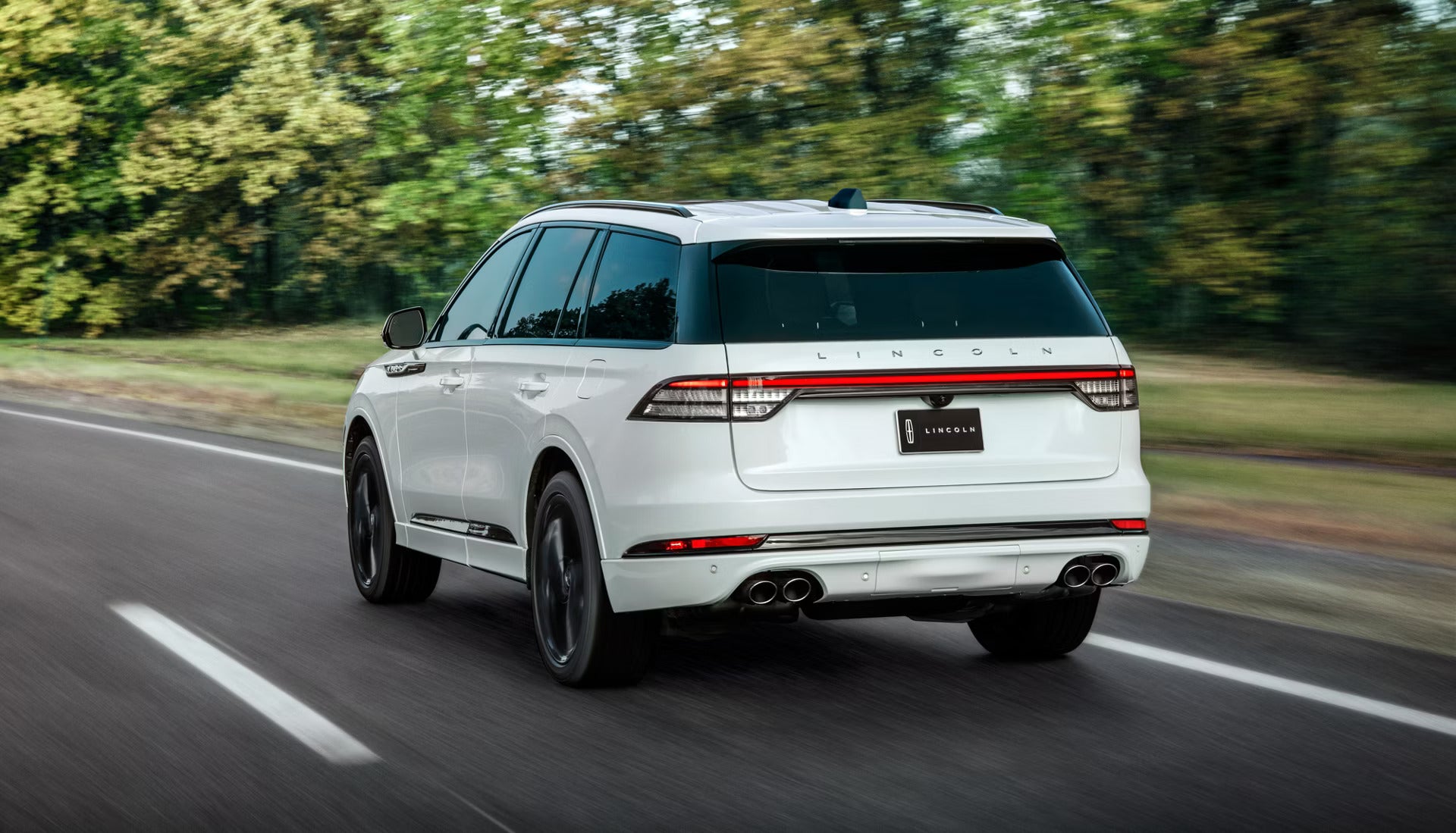
If you want a three-row luxury SUV with real power, a quiet cabin, and a price that undercuts many European rivals, the Lincoln Aviator deserves a serious look. It pairs a twin-turbo V6 with standard rear-wheel drive, seats up to seven, and tows up to 5,000 pounds.
Why the Lincoln Aviator Belongs on Your SUV Shortlist
Shoppers usually ask the same few questions before buying: Are Lincoln Aviators reliable? Where is the Lincoln Aviator made? Does the Lincoln Aviator have 3rd-row seating? This guide answers how the Aviator stacks up against the competition. This SUV is in its second generation, introduced for 2020 and refreshed for 2025. The 2027 model, now arriving at dealers, is largely a carryover from 2026.
Where is the Lincoln Aviator Made?
The Lincoln Aviator is made in the USA, at Ford's Chicago Assembly Plant on Torrence Avenue in Chicago, Illinois. The plant has built every second-generation Aviator since the 2020 model year, alongside the Ford Explorer and the Police Interceptor Utility.
Chicago Assembly opened in 1924 to build the Model T, and it is Ford's oldest continuously operating auto plant. It employs roughly 5,800 people, most of them hourly workers.
Why it matters to buyers: the Aviator shares its CD6 rear-drive platform with the Explorer, so parts and service know-how are widespread across Ford and Lincoln dealers. Lincoln has done enough with styling, materials, and refinement that the two feel like very different vehicles.
Does the Lincoln Aviator Have 3rd Row Seating?
Yes. Every Lincoln Aviator has a third row, giving you seating for six or seven, depending on configuration.
Reviewers consistently describe the third row as best for kids; Kelley Blue Book notes it gets cramped for anyone past middle school (KBB). For regular adult use of all three rows, the larger Lincoln Navigator is the better fit.
Cargo space is about 19.2 cubic feet behind the third row and roughly 76 cubic feet with the second and third rows folded, enough for strollers, sports gear, or a Costco run.
Lincoln Aviator Performance, Towing and MPG
The Aviator's twin-turbo V6 is one of the strongest standard engines in the midsize luxury class. It is the only powertrain offered; the plug-in hybrid Grand Touring was dropped after 2024.
Engine: 3.0L twin-turbo V6.
Horsepower: 383 hp (400 hp through the 2025 model year).
Torque: 415 lb-ft.
Transmission: 10-speed automatic.
Drivetrain: rear-wheel drive standard, all-wheel drive available (Black Label is AWD only).
Max towing: 5,000 lbs.
Fuel economy: 20–21 mpg combined.
The drop from 400 to 383 horsepower for 2026 comes from revised certification procedures, not a mechanical downgrade (CarBuzz). Torque is unchanged, so real-world acceleration feels the same.
On the road, the Aviator favors calm, quiet cruising over sporty handling. Larger wheels on upper trims can firm up the ride, so test-drive the trim you plan to buy.
Luxury Interior, Technology and Safety
The Aviator's cabin is its biggest selling point: quiet, well-insulated, and finished in materials that feel a class above its price. The 2025 refresh brought a 13.2-inch touchscreen with built-in Google apps, replacing the older 10.1-inch screen.
Standout features include:
BlueCruise 1.5 hands-free highway driving, now with automatic lane change, included for four years.
Phone As A Key and a power liftgate that opens as you approach.
Revel Ultima 3D audio on upper trims.
Lincoln Security Package, new and standard for 2027, with theft alerts, stolen-vehicle services and start inhibit, complimentary for four years after activation (Ford Authority).
Safety tech is generous across the lineup. Blind-spot warning, lane-keep assist and rear cross-traffic alert are standard, and the 2024 Aviator earned a five-star overall NHTSA safety rating.
Lincoln Aviator vs. the Competition
The Aviator's strongest argument against rivals is power for the money. It starts below the Volvo XC90 and even below a four-cylinder Genesis GV80, yet comes standard with a twin-turbo V6.
Lincoln Aviator vs. Volvo XC90: the Aviator brings far more horsepower and towing; the XC90 has a stronger reputation for reliability and slightly better fuel economy.
Lincoln Aviator vs. Genesis GV80: similar luxury feel, but the Aviator's V6 comes standard, and every Aviator has a third row.
Lincoln Aviator vs. Ford Explorer: same platform and factory, but the Aviator adds a quieter cabin, upscale materials, and Lincoln's ownership perks.
The trade-offs: below-average resale value compared with its class, and a reliability record that has only recently reached average.
The Verdict: Should the Lincoln Aviator be Your Next SUV?
The Lincoln Aviator makes a strong case for your next SUV: a powerful twin-turbo V6, a quiet and upscale cabin, three rows of seating, and a starting price below most European rivals. It's built in Chicago, it's now rated average for reliability by Consumer Reports, and it can tow up to 5,000 pounds when the weekend calls for it. For most families, a 2026 or 2027 Aviator Reserve hits the sweet spot of comfort, technology, and value. If you're shopping pre-owned, focus on 2022 and newer models for the best reliability.
Ready to find your Lincoln Aviator? Visit Beach Lincoln and shop our Lincoln Aviator models for sale today. Our team can walk you through every trim, set up a test drive, and help you find current offers on the Aviator that fits your life.